

ATI4 Marketing
Your Magento e-commerce needs a high-performance CMP in 2026.
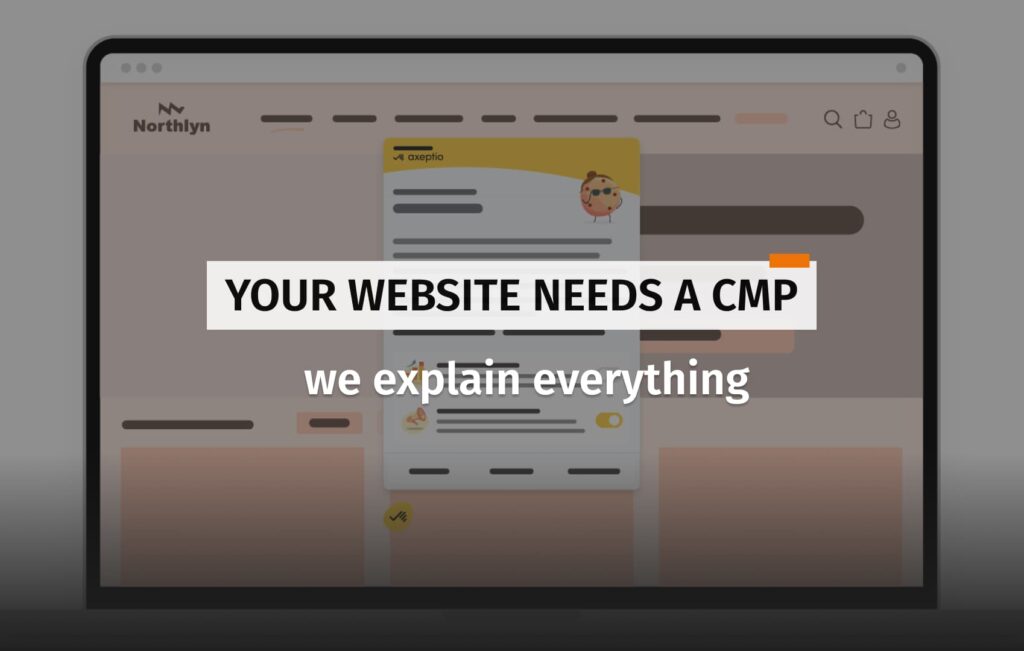
You manage a B2B e-commerce platform on Magento Adobe Commerce and you are wondering why investing time and resources in a Consent Management Platform (CMP) is necessary. After all, your customers are professionals, not average consumers. Well, think again: consent management is just as important in B2B (from both a commercial and regulatory point of view), and it can even become a competitive advantage.
CMPs in B2B are far too often underestimated
Contrary to common belief, the GDPR applies to all websites that collect personal data, including in a B2B context. When a professional buyer browses your Magento platform, you collect data about their behavior, preferences, and interactions. This information is valuable for personalizing the buying experience and optimizing your marketing campaigns.
In this way, without a properly implemented CMP, you expose yourself to several risks. First, legal risks. Indeed, CNIL sanctions can reach 4% of global annual turnover or €20 million. Next, a loss of trust: your B2B customers are particularly sensitive to the protection of their professional data. And finally, marketing inefficiency, since without valid consent, your analytics tools and advertising platforms run empty.
On Magento and Adobe Commerce, B2B journeys are complex. Your customers browse through company accounts, consult catalogs, generate quotes, and place recurring orders. Each of their actions generates data that you could use to improve customer lifetime value. But the issue is that without a suitable CMP, and above all one that is properly configured (because simply displaying a cookie banner is not enough to be compliant), you do not have the legal authorization to use this data for your campaigns, behavioral analyses, or recommendations. And this is far from trivial. If you imagine losing 80% of your ability to track visitors simply because your cookie banner is poorly configured, that represents a real loss of revenue.
And this is exactly what is happening today on many B2B platforms. Technical teams install a CMP in “quick install” mode, without optimization, and then observe a brutal drop in the effectiveness of their Google Ads or LinkedIn campaigns. Traffic appears as “unassigned” in Google Analytics 4, marketing budgets are spent blindly, and ROI collapses. And that’s without mentioning teams that install a CMP on their site with absolutely no technical configuration behind it.
The four pillars of an effective CMP
- 1. Native technical integration
Your CMP must integrate perfectly with the Magento / Adobe Commerce ecosystem. This means native compatibility with Adobe Analytics, Google Tag Manager, and all of your marketing tools. The integration must automatically manage the triggering or blocking of tags based on user consent.
On Magento, you must also take into account multi-store and multi-currency specificities. If you operate in multiple countries, your CMP must manage different local regulations and display banners adapted to each market (different languages and regulations, for example).
- 2. Consent rate optimization
A default cookie banner generates an average acceptance rate of 40 to 60%. With advanced design and UX optimization, this rate can reach 75 to 85%. And this difference is massive for your marketing campaigns.
To achieve this, we recommend optimizing your pop-in in order to force interaction (positive or negative) with the user. Remember that all buttons must have a similar size and visual appearance, so as not to encourage one choice over another. The “Accept” and “Reject” buttons must be visually identical. Of course, by maintaining this consistency, you expose yourself to more refusals from users. But do not forget current accessibility standards! We have shared an article on this topic [LINK TO THE ARTICLE], which you should read after finishing this one.
Also note that every detail matters: color customization, banner position, clarity of the message—leave nothing to chance in order to maximize your chances.
- 3. Consent signal transmission
Your CMP must properly transmit consent signals to all vendors with whom you share your users’ data. GA4, Google Ads, YouTube, Facebook Pixel… all of them must only fire after explicit user consent has been given. Without this transmission, your tools cannot differentiate users who have consented from those who have refused.
On Magento, for example, this implies precise configuration of Google Tag Manager so that each tag is conditioned on the appropriate consent. For instance, your Google Ads tag must only fire if the user has accepted advertising cookies via your CMP banner. Otherwise, you risk not only compliance issues, but also polluted data.
The same applies to vendors such as Google Maps or embedded content like YouTube. Technically, you must block the display of these contents until the user has given consent for data collection by the relevant provider.
And to do this, several technical actions are required. This is where we support you, so that you no longer have anything to manage.
- 4. Performance monitoring
Once your CMP is in place, the work does not stop there. You must continuously monitor several KPIs: banner interaction rate (how many users actually interact), consent rate (how many accept), refusal rate, and above all the evolution of “unassigned” traffic in GA4.
Truly effective monitoring must allow you to quickly detect anomalies. For example, if your “unassigned” traffic suddenly explodes, it is a sign that your CMP is no longer functioning correctly and that you are losing critical marketing data.
Axeptio is our winning partner for B2B
As a digital agency specialized in B2B e-commerce on Magento, we often recommend Axeptio among CMP solutions on the market, because it clearly stands out for its alignment with B2B platform challenges. This French solution combines a highly user-experience-oriented approach with great ease of deployment: the interface is intuitive, consent banners are fully customizable (design, wording, user journeys), and integration is seamless both with Magento and with leading analytics tools and the Adobe ecosystem.
Axeptio makes it possible to efficiently manage the collection and secure storage of consents, centralize data to facilitate reporting, and simplify GDPR compliance across all your sites, including within the framework of Google Consent Mode V2, which has imposed new transparency signals (advertising and personalization) since March 6, 2024. Marketing teams gain autonomy thanks to administration without technical dependency, while the granular management of cookies (essential, functional, analytics, marketing) perfectly meets the expectations of professional clients.
Common false starts to avoid
However, one of the most common mistakes is to consider the CMP as a simple technical constraint to deal with quickly. An approximate implementation can have serious consequences: significant loss of marketing effectiveness (unusable data, biased campaigns) and exposure to major financial risks in the event of a CNIL audit, potentially representing tens of thousands of euros.
The second major mistake is to apply a B2C configuration as-is to a B2B site. Usage logic, user journeys, and expectations differ greatly: professional clients are generally less tolerant of tracking perceived as intrusive, while being more willing to accept certain data processing when they clearly understand the added value for their experience and commercial relationship.
The third point that is often underestimated: mobile. B2B buyers increasingly browse catalogs, view product pages, and place orders from their smartphones. A poorly designed or non-responsive consent banner can degrade the experience, slow down navigation, and directly impact conversion.
Do not neglect team training. A CMP is not just a compliance tool: it is a strategic lever. Marketing, sales, and technical teams must share a common understanding of how it works and what is at stake, in order to fully leverage data, in full compliance and in the service of performance.
In 2025, a high-performance CMP is no longer an option for an e-commerce platform: it is a strategic investment that directly conditions the effectiveness of your digital marketing, the reliability of your data, and above all the long-term trust of your customers. A well-designed CMP becomes a true performance driver, reconciling regulatory compliance, user experience, and intelligent data exploitation.
We support our Magento B2B clients at every stage: choosing the most suitable solution, technical implementation, advanced configuration, and continuous optimization of consent journeys. Our experts work in close collaboration with Axeptio teams to help you fully leverage all the solution’s features and to provide tailored support, perfectly aligned with both the expectations of your B2B users and constantly evolving regulatory requirements.
Find out what’s new at the company.
Because mixing fun and work is at the heart of our philosophy, we always try to make a special place for it in our business life.
Adobe Commerce in B2B: the native features that change the game
17 October 2026
AI in e-commerce: our way of working
10 October 2026
The ideal tech stack for a B2B e-commerce project
3 October 2026

AI automation: 10 processes to automate in your company
26 September 2026
Which processes should you automate with AI in your company? 10 concrete use cases for e-commerce and B2B, plus the method for a measurable ROI.
AI-augmented development on Magento
19 September 2026
AI-augmented Magento development: what AI genuinely speeds up (code, tests, docs) and what it must never decide alone (architecture, business logic, security).

Getting cited and recommended by LLMs before the buyer even contacts you
12 September 2026

ACP, AP2, UCP: the AI payment protocols
5 September 2026
ACP, AP2, UCP, MCP: what agentic payment protocols actually do, in plain words and the three things a merchant should do right now.

Agentic commerce: when AI places the order for you, is your catalog ready?
29 August 2026
When AI places the order for you, is your catalog even visible? 6 questions to get your product data ready for agentic commerce in 2026.
PIM or no PIM in 2026: the complexity threshold that changes the game
22 August 2026
PIM or no PIM? Learn the catalog complexity threshold that makes a PIM necessary in 2026, the warning signs to watch, and when it becomes worth it.
Adobe PaaS or SaaS: the decision grid
15 August 2026
Adobe Commerce PaaS or SaaS? An honest decision grid based on your size, your integration complexity and how custom your catalog really is.
How much is NOT having a B2B online store costing you?
10 August 2026
Sales time, errors, missed orders: how much is not having a B2B online store really costing you? Make the cost of inaction visible and plug the leak.
ERP and e-commerce integration: the journey of an order
7 August 2026
Follow one order from product page to ERP to spot where an ERP–e-commerce integration breaks: source of truth, data mapping, idempotency, monitoring.

E-commerce redesign : How not to lose your SEO along the way
25 July 2026
The intention to “redo your website” is often legitimate. But between the decision to redesign and its execution, there is a gap into which hundreds of companies fall every year: the loss of organic traffic.

Managing a product catalog without a PIM
18 July 2026
A new market opens up, a new marketplace is added, and suddenly you have three more languages to manage. Then one day you realize you’re spending more time searching for the right version of a file than actually working on it. What happens when you don’t have a PIM? And why, beyond a certain point, can improvisation cost you far more than structuring things properly?

Meet Magento France 2026: the ecosystem isn't done yet
9 July 2026
After a historic first edition that proved the French community had plenty to say, the question was simple: could we do even better? The answer is yes!
LinkedIn: build brand awareness and grow faster
4 July 2026
A few years ago, having a company page on LinkedIn was considered a bonus, a good practice for the most digitally advanced companies. Today, it has become as essential as a website or a professional email address.
What are the benefits of the agile method for developing an e-commerce project ?
20 June 2026
We structure all of our projects around agile methods, and more specifically around the SCRUM framework. A choice that is reflected in our internal organization, in the way we build our teams, and in how we support our clients in their e-commerce projects.

Conversational advertising : Opportunity or misguided idea ?
13 June 2026
Conversational Advertising : Are these ad formats just a short-term monetization lever, or do they signal the birth of a lasting new advertising paradigm?

Why Adobe Commerce remains the reference for complex e-commerce projects
5 June 2026
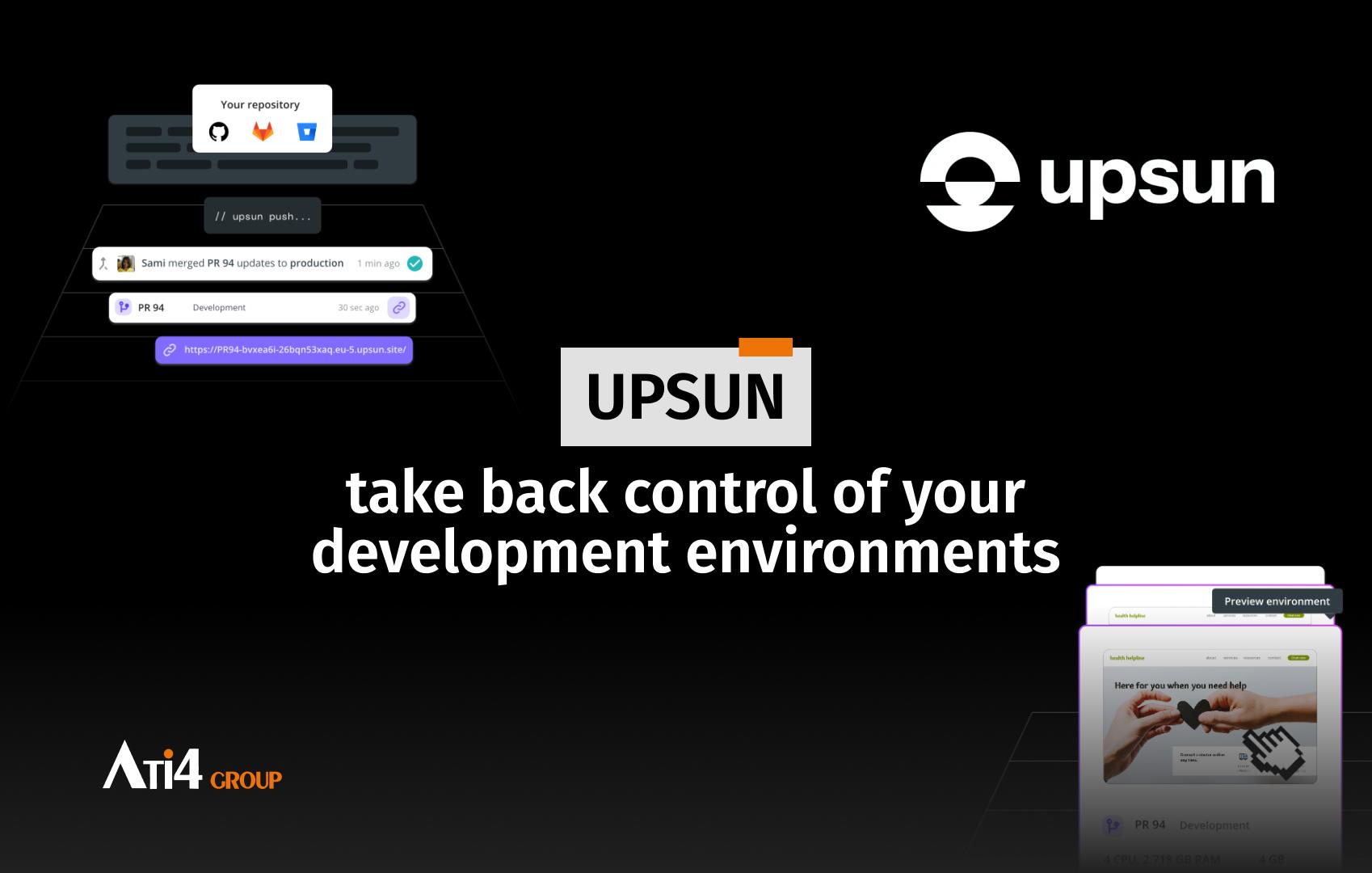
Upsun lets you take back control of your development environments
29 May 2026
From instant cloning to staging/prod synchronisation and infrastructure as code — here’s what Upsun concretely changes in the day-to-day life of development teams.

E-reputation: why and how to control your online image
22 May 2026

The blog on your e-commerce site is a lever too often overlooked
16 May 2026
When you invest in the creation or redesign of your e-commerce site, most of your attention naturally focuses on the product catalog, the checkout funnel, the overall ergonomics and the sales features. The blog, meanwhile, is often relegated to the background, perceived as an optional addition or a simple stylistic exercise. Yet this vision is deeply reductive.

Adobe Commerce : security patches and new version 2.4.9
12 May 2026
Adobe has today released a series of important updates for Adobe Commerce: a new minor version as well as security patches for all currently supported versions. Here’s what you need to know.

How to write blog articles that appeal to Google AND AI in e-commerce
8 May 2026
A new category of readers has joined your audience: AI assistants. ChatGPT, Gemini, Perplexity. Indeed, these tools consult content to formulate their answers, and if yours is well structured, it can appear there as well.

Our own school: training in Magento
2 May 2026
Discover ATI4’s Magento Academy: a Qualiopi-certified training program designed to train Adobe Commerce developers and address the Magento talent shortage.
LLMs: an influence challenge before being a traffic lever
25 April 2026
LLMs are not designed to replace Google as a source of clicks. Their role lies elsewhere. They intervene much earlier in the user journey, at a stage that has historically been barely visible to measurement tools: the phase of reflection, framing, and understanding a topic.
Axeptio and Magento: boost your conversions while complying with the GDPR
18 April 2026
Are you looking to optimize consent management on your Magento and Adobe Commerce platform without sacrificing the performance of your marketing campaigns? Axeptio might well be the solution you’ve been waiting for.

5 tips to boost your B2B e-commerce blog content
11 April 2026
In B2B e-commerce, the blog section of your website is still too often considered an accessory, a box to tick on a marketing checklist. Yet, for companies selling on Magento Adobe Commerce, the blog is more than just a communication channel: it is a strategic tool capable of radically transforming your lead generation and expert positioning.
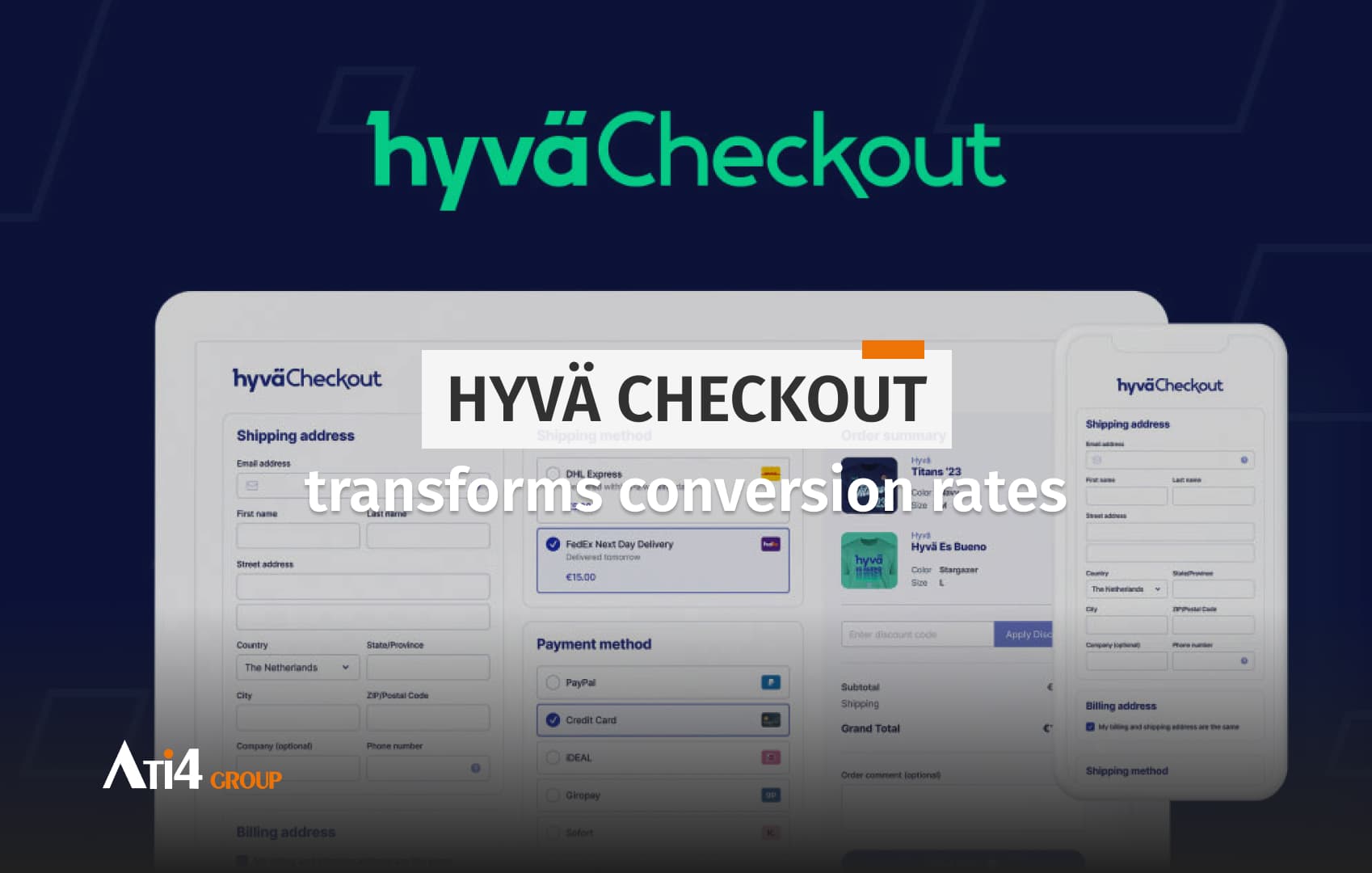
Hyvä Checkout transforms conversion rates for Magento merchants
4 April 2026
Hyvä Checkout boosts Magento conversions with a checkout up to 13x faster, improved UX, flexible customization, and seamless payment integrations.

Classic sales funnel rules are no longer enough
27 March 2026
Many of our clients tell us the same thing: “Our funnels don’t work like they used to.” It’s not that the sales funnel concept has become obsolete. It’s rather that the way customers move through this funnel has fundamentally changed.
Content is no longer a problem on magento with Hyvä Commerce
24 March 2026
Discover how Hyvä Commerce improves Magento with a visual CMS, faster checkout, better performance, and easier content management for e-commerce teams.
2026: Investing in a tight economic context
13 March 2026
The current economic context reminds us of a simple truth that is sometimes forgotten in the excitement of digital: every euro spent must have a measurable impact. Should you continue investing to avoid falling behind, or slow down to preserve cash flow? The right answer is probably somewhere in between.
AI is reshaping e-commerce: What if it were your greatest opportunity ?
6 March 2026
AI is reshaping e-commerce. Threat or opportunity? Learn how to leverage artificial intelligence to strengthen your brand, customer relationships, and long-term performance.
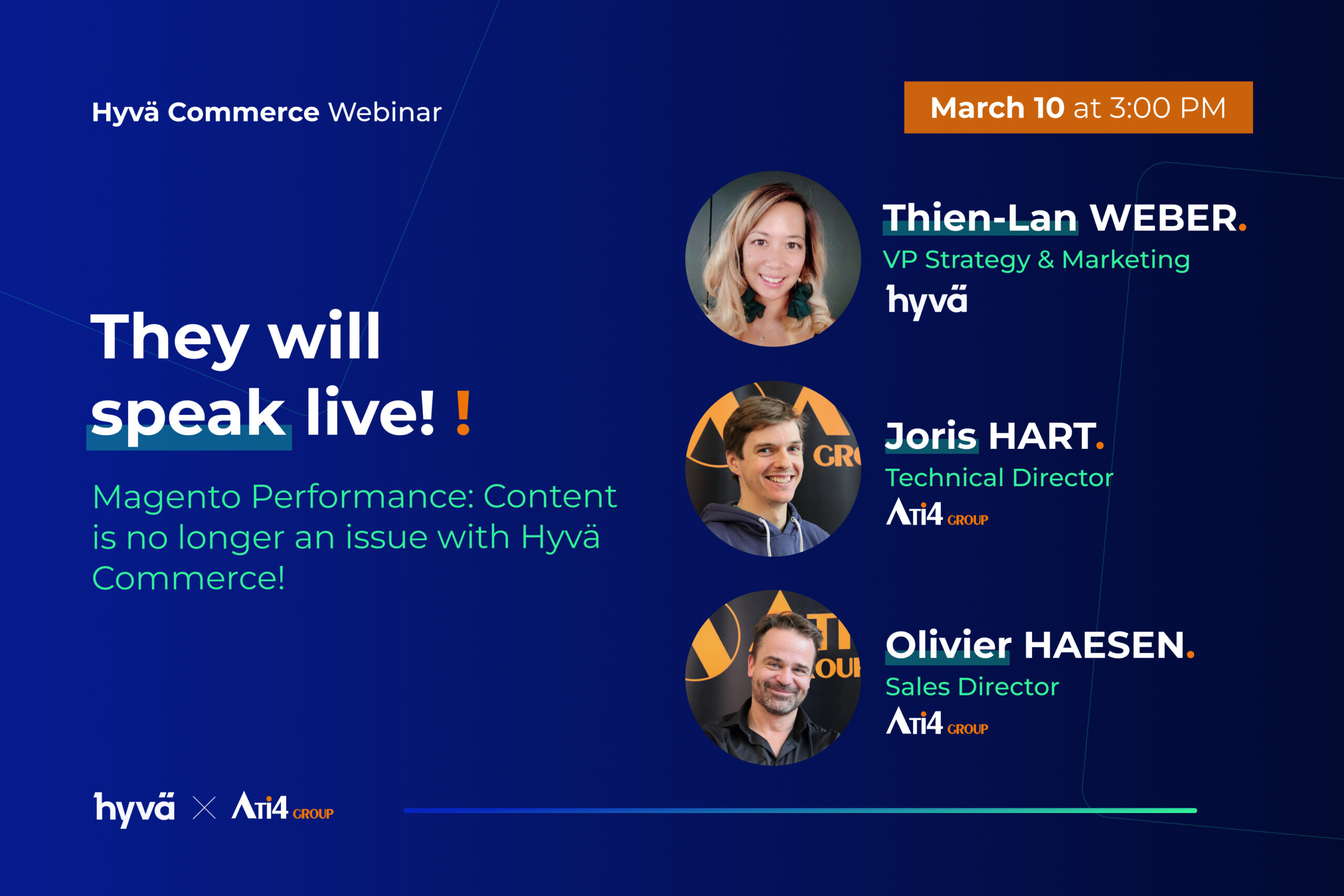
Hyvä Commerce: the Magento e-commerce revolution you’ve been waiting for
27 February 2026
For years, Magento has been built through successive additions. And today, the platform is fragmented, the frontend remains heavy, content management is complex, and the admin is aging. Hyvä Commerce changes this equation. This is not a passing trend; it is a reinvention of what a modern e-commerce store should be.

Patience is your greatest asset in SEO
20 February 2026
Discover why organic search requires several months before delivering results. Understand how SEO works and the realistic timelines you should anticipate for your e-commerce business.

The modern consumer is evolving and becoming more demanding
20 February 2026
The modern consumer is becoming more demanding and brands must rethink product information, customer experience, and personalization to succeed in 2026.
Using podcasts in your e-commerce strategy: Now is the time to start thinking about it
13 February 2026
Discover why podcasts are the most underrated tool in digital marketing: authentic connections, content leverage, partnerships, and internal culture building.
Data, Strategy and AI, the golden triangle of B2B e-commerce performance.
6 February 2026
Discover why the data-strategy-AI triangle is now the engine of B2B e-commerce performance, and how to apply it concretely to build sustainable competitive advantage.

Gold Upsun Partnership: Everything you need to know
6 February 2026
At the end of January 2025, we officially earned our Gold badge as an Upsun partner! A great recognition of our technical expertise and our commitment to supporting you in transforming your hosting infrastructures. Let us explain what this means concretely for your projects.
Should you use a PIM as a way to optimize your SEO?
31 January 2026
Discover how a PIM (Product Information Management) can boost your SEO by centralizing product information, automating multi-channel distribution, and enhancing organic visibility.

The CURL framework for building your brand authority in the age of artificial intelligence
23 January 2026
Learn how the CURL framework strengthens the credibility, utility, reputation, and loyalty of your B2B brand in the age of artificial intelligence. A strategic roadmap to becoming the trusted reference AI systems naturally recommend.

The role of AI in creating a personalized shopping experience
9 January 2026
Discover how artificial intelligence is revolutionizing e-commerce, from hyper-personalized shopping experiences and 24/7 virtual assistants to predictive inventory management and fraud detection. Learn how AI reshapes customer interactions and optimizes operations for a tailored, efficient, and engaging shopping journey.

Optimizing delivery and payment: The keys to a high-performing checkout funnel
2 January 2026
Optimize your checkout funnel with better delivery and payment experiences. Learn how to reduce cart abandonment, increase conversions, and create a seamless and efficient customer journey.

E-commerce and omnichannel strategy: the future of retail
26 December 2025

Digital accessibility : challenges and solutions for e-commerce
19 December 2025
E-commerce accessibility isn’t optional—it’s the law. Avoid €20K fines and tap into a $13T market by fixing these 5 critical issues (hint: your carrousel is likely one).

E-commerce 2026: between maturity, innovation, and the new data era
8 December 2025
In 2026, e-commerce is entering a phase of profound transformation. After two decades of almost uninterrupted growth, the European market—especially in France—has reached a stage of maturity where performance is no longer driven solely by traffic acquisition or conversion rate optimization.

Growth Hacking and SEO : how to boost your online visibility
5 December 2025
Learn how to combine growth hacking and SEO to boost visibility, increase qualified traffic, and turn your website into a true growth engine.
GEO: Understanding generative engine optimization
28 November 2025

The different types of website redesign: how to choose the right modernization strategy
22 November 2025
Websites have a limited lifespan (often 3 to 5 years) before they require a refresh. Technology evolves, user behavior changes, and expectations regarding design and digital experience continue to grow. However, “redesign” does not always mean the same thing.

Which digital channels should you use to generate leads in B2B and B2C ?
15 November 2025

Hyvä Theme goes open source!
10 November 2025

Optimizing web performance: from theory to practice
8 November 2025
In today’s context, every millisecond gained on your site matters. Optimizing your web performance is a real advantage for customer experience.

Defining your editorial line for web content
3 November 2025
Matomo 5.5.0: What this update changes for your web analytics.
27 October 2025
Matomo 5.5.0 marks a turning point for web analytics. This version introduces features that allow you to better understand traffic from emerging digital sources, particularly AI assistants such as ChatGPT, Copilot, Gemini, or Claude.

Writing your SEO content with the inverted pyramid method
27 October 2025
Web writing increasingly borrows techniques from journalism, and one of the most effective for capturing attention is the inverted pyramid.
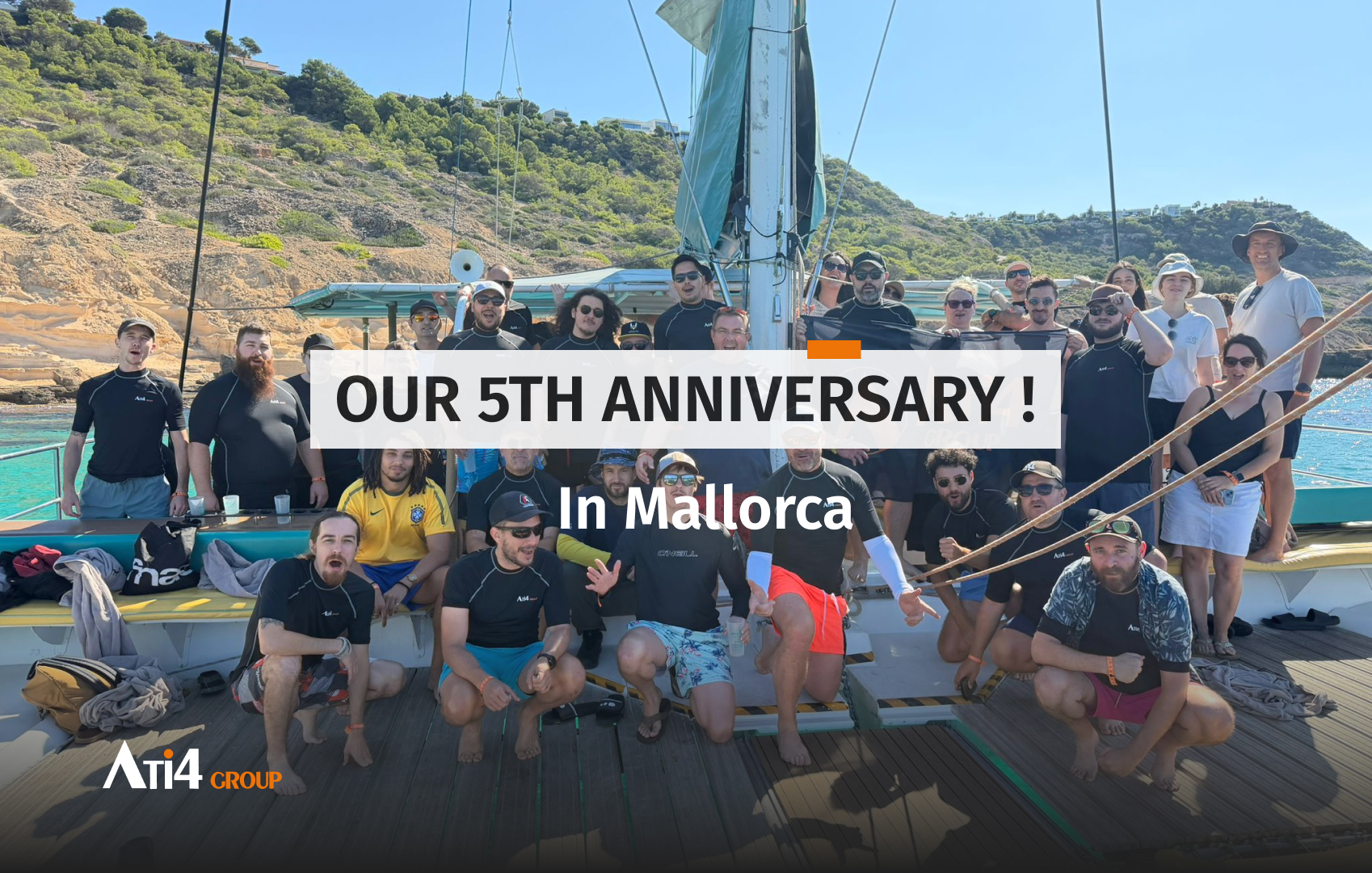
We flew to Mallorca for our 5th anniversary
23 October 2025
How to Celebrate Our 5th Anniversary? Here’s a recap of our trip to Spain, in Palma de Mallorca.

How to stand out and boost your online visibility ?
20 October 2025
Personal branding has become a key lever in building your marketing strategy. Indeed, it’s no longer just about selling your product or service — it’s about selling a story, a vision, and a personality around your brand.

E-commerce copywriting: the methods that convert
11 October 2025
In B2B and B2C e-commerce, the effectiveness of product pages relies on the notion of copywriting, which is the art of writing texts that inform, engage, and drive action.
Shopper trends 2025
4 October 2025
For four years, the Shopper Trends barometer has reflected the evolution of purchasing behaviors and consumer expectations. And in 2025, the French are reinventing their shopping journeys.
B2B product sheet: the forgotten recipe
20 September 2025
In the B2B context, new skills are essential. And at the heart of this strategy, one element plays a key role: the product sheet.
B2B SEO myths: Debunking common misconceptions
13 September 2025
In the current economic context, it’s difficult to convince that brand awareness deserves its place among marketing priorities. And yet, SEO remains a major lever for B2B companies.

Succeeding in convincing the consumer in the Messy Middle
6 September 2025
We operate in a fragmented ecosystem, where consumers can juggle an infinite number of information sources, different platforms, and touchpoints before making a decision. It is a disordered, unpredictable cycle, yet one that is decisive in the final purchase decision: the Messy Middle.

The new buying journey: Google’s 4S
4 September 2025
For decades, the famous conversion funnel was enough to understand and interpret consumer behavior. But in 2025, consumer habits have radically changed, in line with new consumption trends.

5 great reasons to use video marketing
29 August 2025
Today, it’s impossible to ignore the power of video content in a marketing strategy. We break it all down in our article.

B2B e-commerce: 5 critical errors to avoid
23 August 2025
With new buyer expectations and the transformation of usage patterns, B2B e-commerce has become a growth driver.

Reducing friction in the B2B e-commerce journey
19 August 2025
The B2B journey is more thoughtful, longer, often interrupted, but rarely insignificant. When a user adds a product to their cart, they demonstrate genuine interest in the brand and/or its product. An abandoned cart is therefore not necessarily an end in itself, but can be the beginning of a purchase intention.
Akeneo & Magento: The combo for demanding e-commerce players
16 August 2025
Product information is vast, so how to manage, structure, and distribute it without friction ?

B2B: When businesses embrace the codes of consumer e-commerce
12 August 2025
When we think of e-commerce, we often picture a consumer comfortably seated on their couch, placing an order from a computer or smartphone. Yet, another reality of e-commerce deserves our full attention: B2B.

B2B customer experience
9 August 2025
Today’s professional buyers, well-informed and accustomed to seamless B2C interfaces, now expect customized purchasing journeys that are relevant, efficient, and tailored to their business needs.
Google June 2025 Core Update
31 July 2025
The Google Core Update of June 2025, officially launched on June 30, marks a new milestone in the evolution of the search engine and organic search.

Long-tail keywords: The SEO strategy that really converts
28 July 2025
If aiming for the moon seems unrealistic, there is a strategic, more precise, and above all, much more profitable long-term approach: that of long-tail keywords.

Deploying your e-commerce project internationally
11 July 2025
According to the latest industry data, more than 66% of businesses say they plan to expand internationally in the coming years.

ChatGPT & sensitive data: What companies must know
4 July 2025
Behind the smooth interface lies a system based on machine learning, which uses entered queries to refine its responses.

How to turn your social media into an e-commerce conversion engine.
1 July 2025
Far from being just communication showcases, these social platforms are now real sales channels.

Accessibility & e-commerce : Are you ready for June 28, 2025 ?
27 June 2025
Starting June 28, 2025, new digital accessibility standards will come into effect, directly impacting e-commerce websites in France. This legal obligation no longer applies only to public platforms—private companies are now included.

RGAA: Understanding the 13 Key themes of digital accessibility
19 June 2025
In France, the RGAA consists of 106 compliance criteria grouped into 13 fundamental themes that guide the audit of your platform.
Shopping & ChatGPT: A new online shopping assistant
12 June 2025

Hyvä: from frontend theme to complete E-commerce suite
9 June 2025
Over the past several months, Hyvä has been revealing a series of technical and strategic innovations that are set to transform the entire Adobe Commerce ecosystem.

TikTok Shop: a revolution in e-commerce ?
28 May 2025
TikTok, originally known for short, entertaining videos, has recently launched TikTok Shop, a feature that could very well redefine the rules of the e-commerce game.

RGAA: New accessibility rules coming in 2025
22 April 2025
Agencies, software publishers, digital experts and all players in the digital space—you’ve likely heard the news. Starting June 28, 2025, all e-commerce services will be required to comply with new digital accessibility regulations.
Preloading and Speculation Rules API
2 April 2025
The Speculation Rules API allows browsers to pre-render pages that a user is likely to visit, providing a smoother and faster browsing experience.

AI : Opportunities and responsibilities for businesses.
14 February 2025
Through the AI Tour of France, organized by Medef and Numeum, French companies shared their experiences with AI and the concrete benefits they have gained, as part of the “AI Action Summit.”

B2B and B2C e-commerce
27 January 2025
In a world where e-commerce has become a cornerstone of the global economy, B2B and B2C sales models represent two essential facets of the system.

PIM and E-commerce: our partnership with AKENEO
19 December 2024
The PIM, or Product Information Management solution, is a tool that collects your product data and integrates it directly into the most suitable format for your team, all within a single digital platform.

Design thinking
1 December 2024
Design thinking is a methodology that emerged in the 1970s and gained momentum in the 1980s with applications across various sectors, including e-commerce.

Gen-Z and E-commerce: The digital revolution
7 November 2024
The Gen-Z consists of individuals born between 1997 and 2012 and now represents a significant sector of the digital market.
SEO keyword research
4 November 2024
Millions of internet users conduct searches every day via various search engines, whether to find answers to their questions, a restaurant, a specific item, or a schedule.
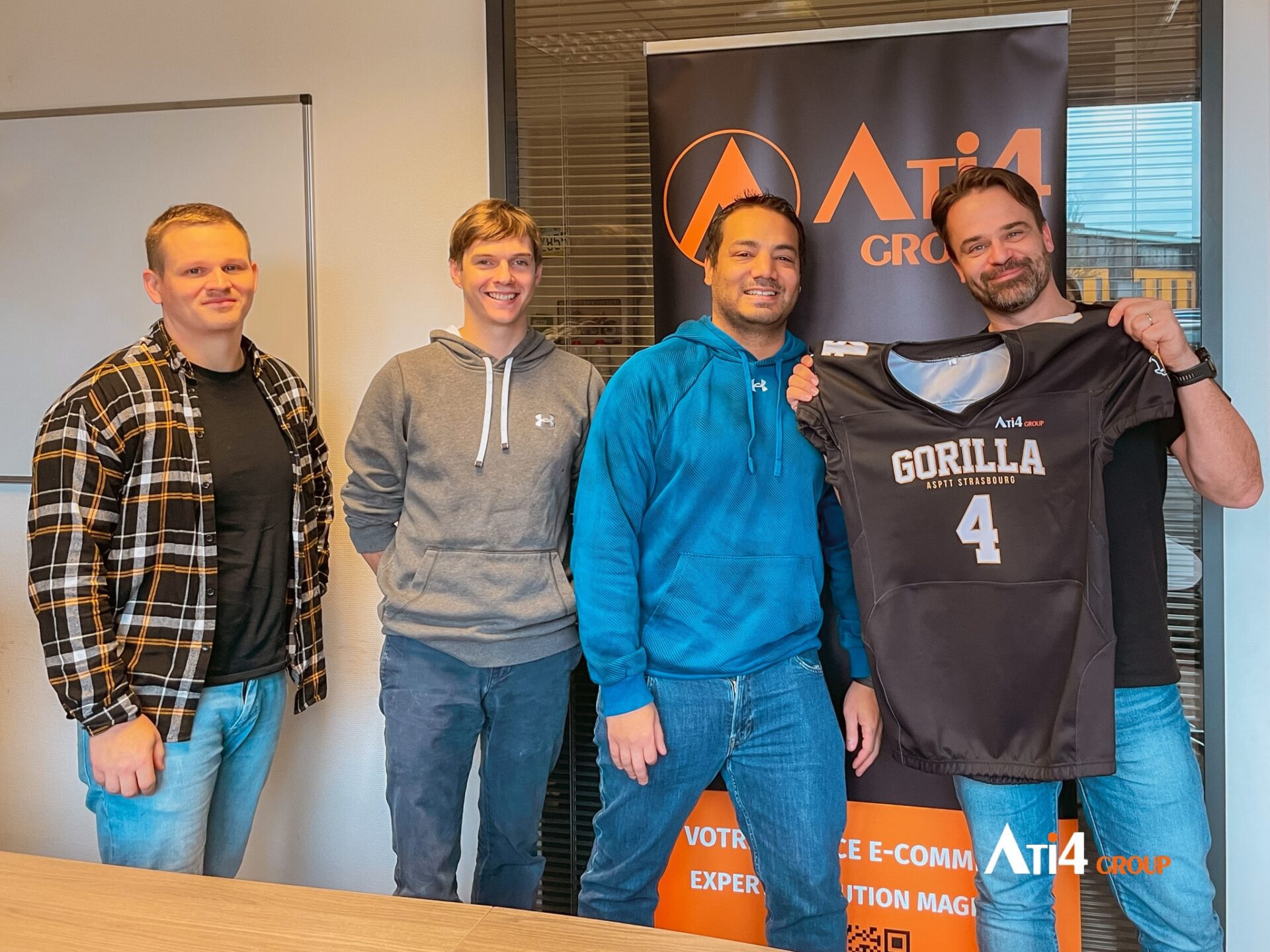
Applying the values of sports in the digital.
18 October 2024
The Gorilla Club, part of ASPTT Strasbourg, is a sports section dedicated to promoting and teaching American football in Alsace.

Cross-Selling and Up-Selling
1 October 2024
These marketing techniques encourage buyers to complete their carts with complementary products to their initial items. Although often confused, these two sales techniques have distinct objectives and can be very effective when implemented correctly.

C2C Sales
26 September 2024
C2C sales, or “customer to customer,” represent a major evolution in the e-commerce landscape. In this model, individuals are the main players, using specialized sites or applications to sell and buy goods or services among themselves.
Creating Funnels to Sell Services
11 September 2024
Sales funnels, known as “sales funnels” in English, refer to a technique aimed at maximizing conversion rates to sell more effectively online.

Online reviews: How to manage them effectively
2 September 2024
In today’s digital landscape, customer reviews—whether positive or negative—inform consumers about the quality of the products or services they are considering purchasing. Positive reviews can significantly boost sales by influencing the purchasing decisions of other consumers.

Collaborating with influencers to increase sales
12 August 2024
The new generation spends a lot of time on social media, which has led to the emergence of new professions, notably that of influencer or content creator.

Cross-border e-commerce
29 July 2024
Cross-border e-commerce has transformed the global commercial landscape. This ability to sell anywhere and anytime has significantly boosted companies’ revenues.

Using soft skills to improve your e-commerce
31 May 2024
Soft skills play an equally important role in the success and sustainability of your digital platform. They can transform the way you interact with your customers, your team, and your market.

Customer experience in retail
16 May 2024
Over the years, the focus on user experience (UX) and user interface (UI) has been constant, but today, we are increasingly moving towards another equally crucial concept: customer experience (CX).

Virtual Reality and E-commerce
6 May 2024
Virtual Reality (VR) is a rapidly growing technology that is disrupting many sectors, including e-commerce.

Optimizing product listings to boost online sales
23 April 2024
Product listings are the cornerstone of the commercial strategy. They play a crucial role in converting visitors into customers as they provide detailed information about the products offered by a company. What are the key points to watch out for and the best practices to optimize them and maximize sales?

Selecting the right CMS for your e-commerce project.
6 February 2024
The functionalities, costs, and levels of complexity can vary from one CMS to another.

Optimizing images for the web
17 January 2024
When it comes to optimizing your website’s performance, paying attention to images is a crucial yet often overlooked step.

The Hyvä Solution for Adobe Commerce
4 January 2024
The dynamics of e-commerce are evolving rapidly, with the primary goal of businesses being to provide an optimal customer experience to maximize conversion rates and, most importantly, sales. For the past two years, a new solution has been making waves: it’s the Hyvä solution and its Hyvä Reset theme.

The B2B conversion rate
30 November 2023
In the dynamic universe of online marketing and sales, the conversion rate emerges as a key indicator, reflecting the performance and success of a strategy.

marketing performance and RFM method
7 November 2023
In the world of marketing, efficiency reigns supreme.

Upcoming Trends in 2024
4 January 2024
The e-commerce industry continues to grow at a rapid pace, driven by technological innovation, changes in consumer behavior, and evolving market expectations.

Website Audit: Why is it important?
24 October 2023
In a constantly evolving digital landscape, it is crucial to ensure that your website is performing well, secure, and meeting the needs of your users.

Marketplace and e-commerce
17 October 2023
The realm of web marketing plays a central role, where the scope of digital strategy may vary, but merely existing on the web is equivalent to an active approach to online promotion.

Web marketing
29 September 2023
In today’s digital era, Web Marketing has become an indispensable element for businesses aiming to expand their online product and service offerings.

The importance of engagement rate and how to use It
18 September 2023
In the current context of e-commerce and marketing communication, the engagement rate has become a crucial indicator for measuring user interaction and involvement with content or a brand.

Sales and E-commerce: What is the Impact?
22 August 2023
The sales, that long-awaited event for consumers in search of good deals and discounts. But this event is also a major date in the calendars of e-commerce websites.

Adapting Your Branding Strategy to E-commerce
22 August 2023
Branding and e-commerce have been continuously evolving, particularly since the expansion of the internet.

Enhancing performance and user experience
22 August 2023
In a digital world where competition is fierce, the technical optimization of a website is a crucial element to ensure a smooth user experience, enhance performance, and strengthen its search engine ranking.

Securing Your Website
22 August 2023
Online commerce is in constant evolution, and the security of your website, whether you are a small business or a major brand, must be a top priority. E-commerce websites handle vast amounts of data to personalize their product and service offerings, tailoring them to the needs of their target audiences.

ATI4 blows out the third candle!
19 June 2023
We celebrated our third birthday last June 1st…. Yep, so soon! 🥳
Still on Magento 1?
15 May 2023
With Magento 2, enhancements and new features have been introduced, thus providing businesses with optimized site management.
Internal survey: the ATI4 employer brand
28 April 2023
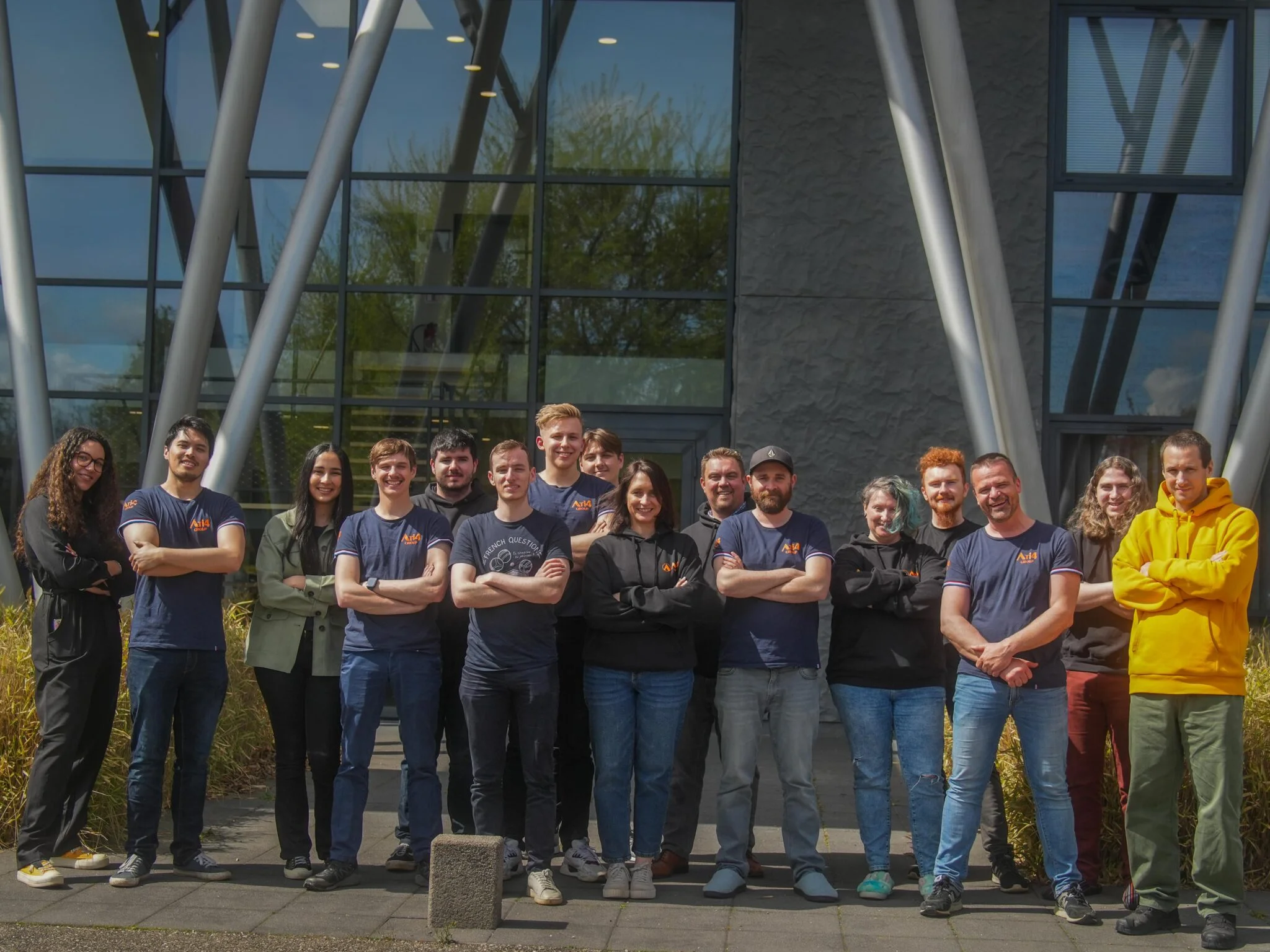
We recently conducted an internal study to assess our ATI4 employer brand and highlight areas for improvement.

They’re certified!
6 December 2022
A year ago, we hired 4 developers to join our Magento Academy. We aimed to train them to use this new technology.

Apéro Dev, the event for developers!
2 November 2022
Last November, ATI4 joined forces with Numéric Emploi Grand-Est to host its first Apéro Dev event.
The cross-company tournament: the battle of the teams!
20 June 2022
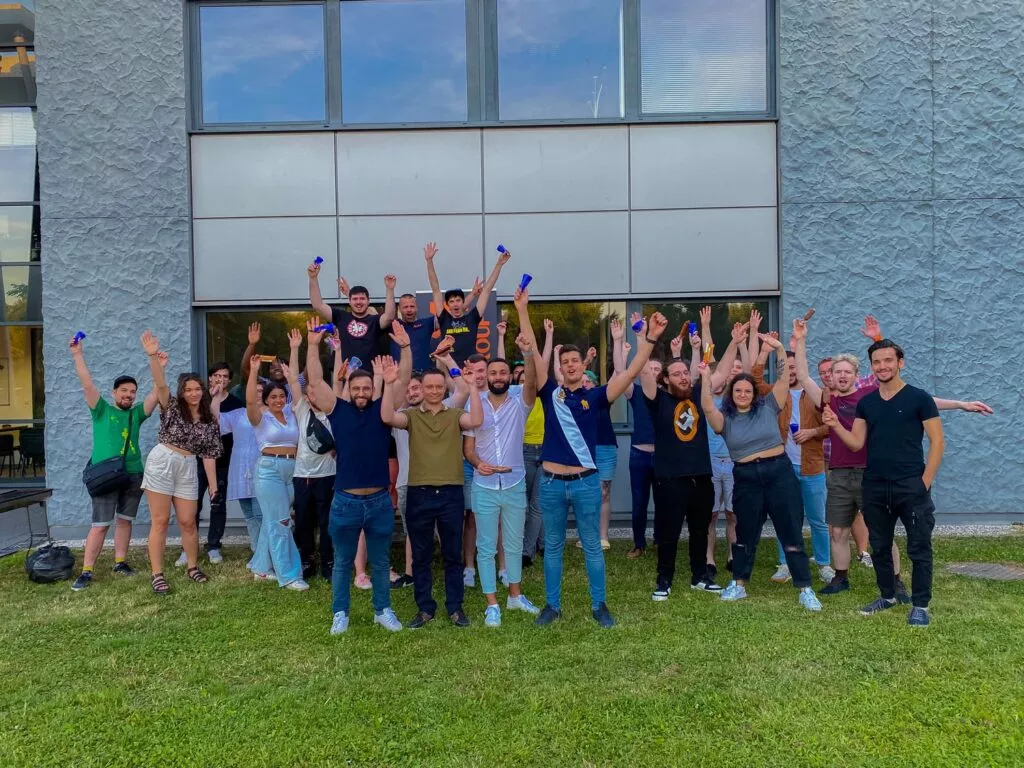
As fans of digital technology and video games, we held our first inter-company tournament.

ATI4 celebrates its 2nd birthday!
1 June 2022
Over the past two years, we’ve had the opportunity to work with prestigious B2B clients, to learn and to develop.